
Following the ups and downs of the legendary Ligurian film producer
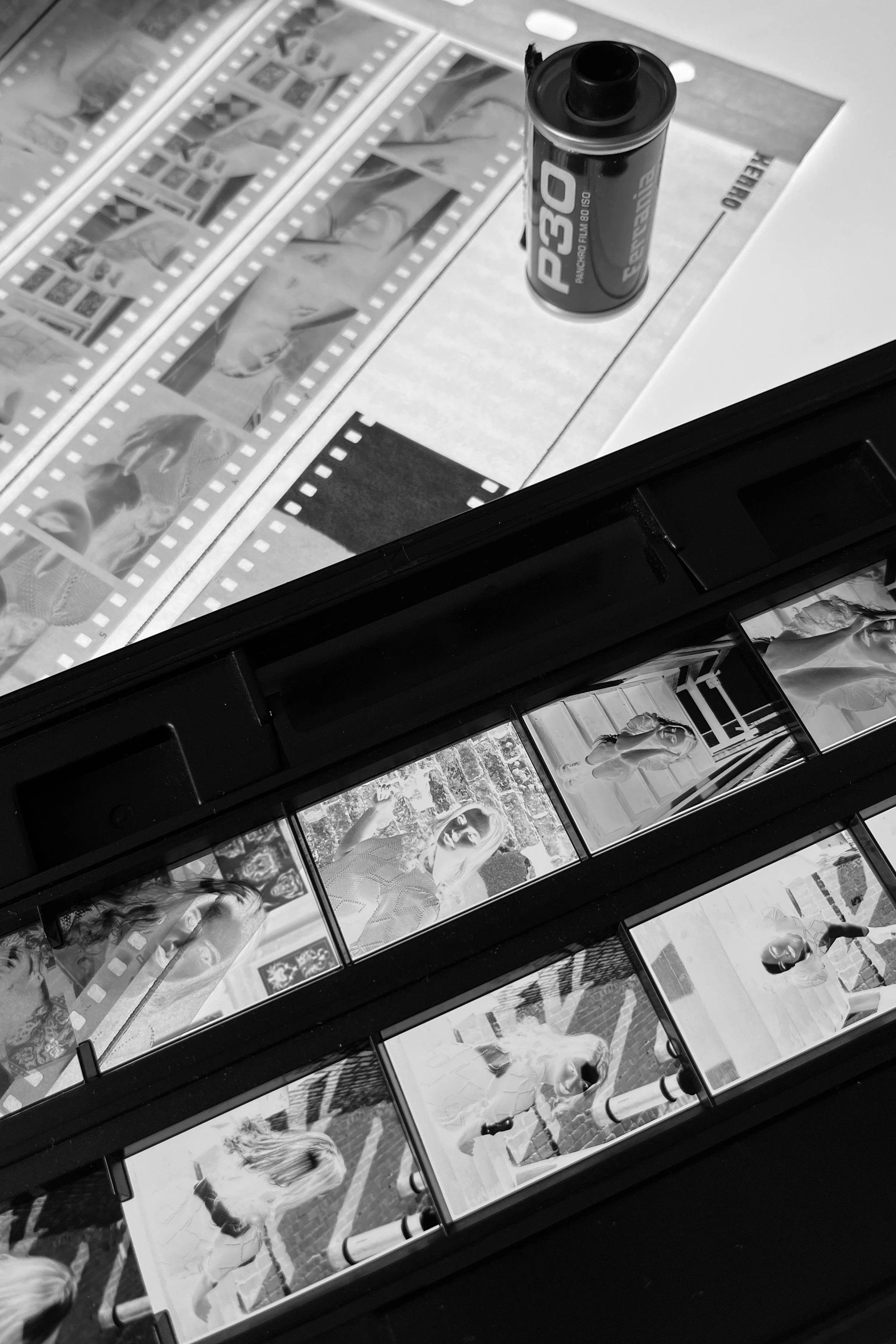
Back in 2017/18 I shot and wrote about FILM Ferrania’s then new P30 Alpha film. It was a welcome return from the Italian film producer who went on to release P30 in two further versions as well as P33, a 160 ISO panchromatic film that carries a lot of the bold character of P30 but in a far more forgiving and versatile package and ORTO a 50 ISO orthochromatic film that renders the world as early cinema once did, blind to red light and graphic in tone.
When I shot this last roll of Ferrania P30 I wasn't sure I'd ever write about it. Not because the photographs disappointed me, they didn’t, but because the story around the film has become harder to tell. The website hasn’t been updated in months. Communication had always been one of Ferrania’s strengths, their story felt like a love letter to analogue photography, both open and engaging. That silence, when it came, felt all the more unsettling for it. So writing enthusiastically about a film you can barely get hold of, made by a company whose future seemed genuinely uncertain, feels complicated.
But here we are. At the end of 2024, FILM Ferrania passed into new hands. A new owner, a new board, and cautious talk of new production coming back on track. Whether that promise holds remains to be seen. The analogue community has been here before with FILM Ferrania.

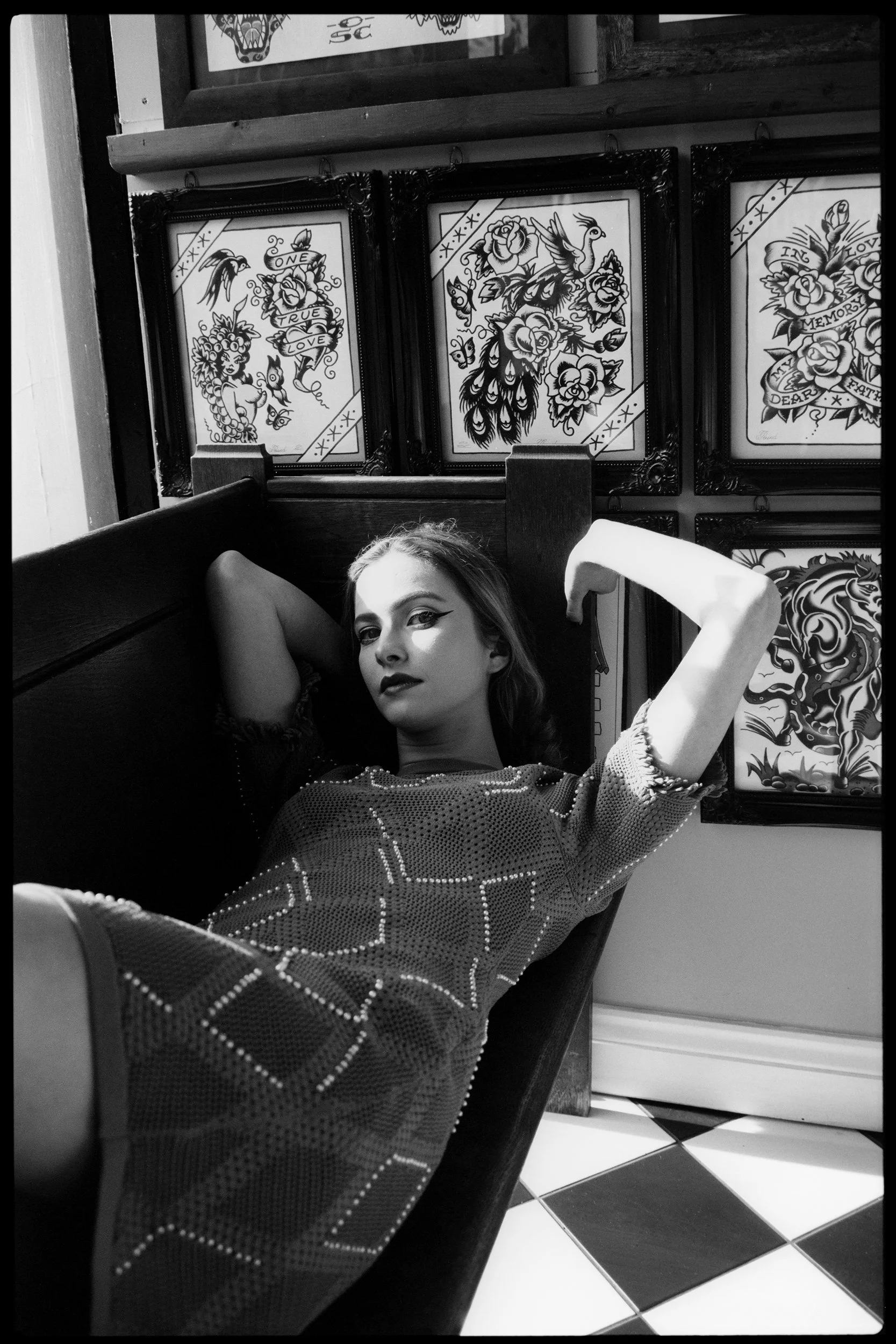
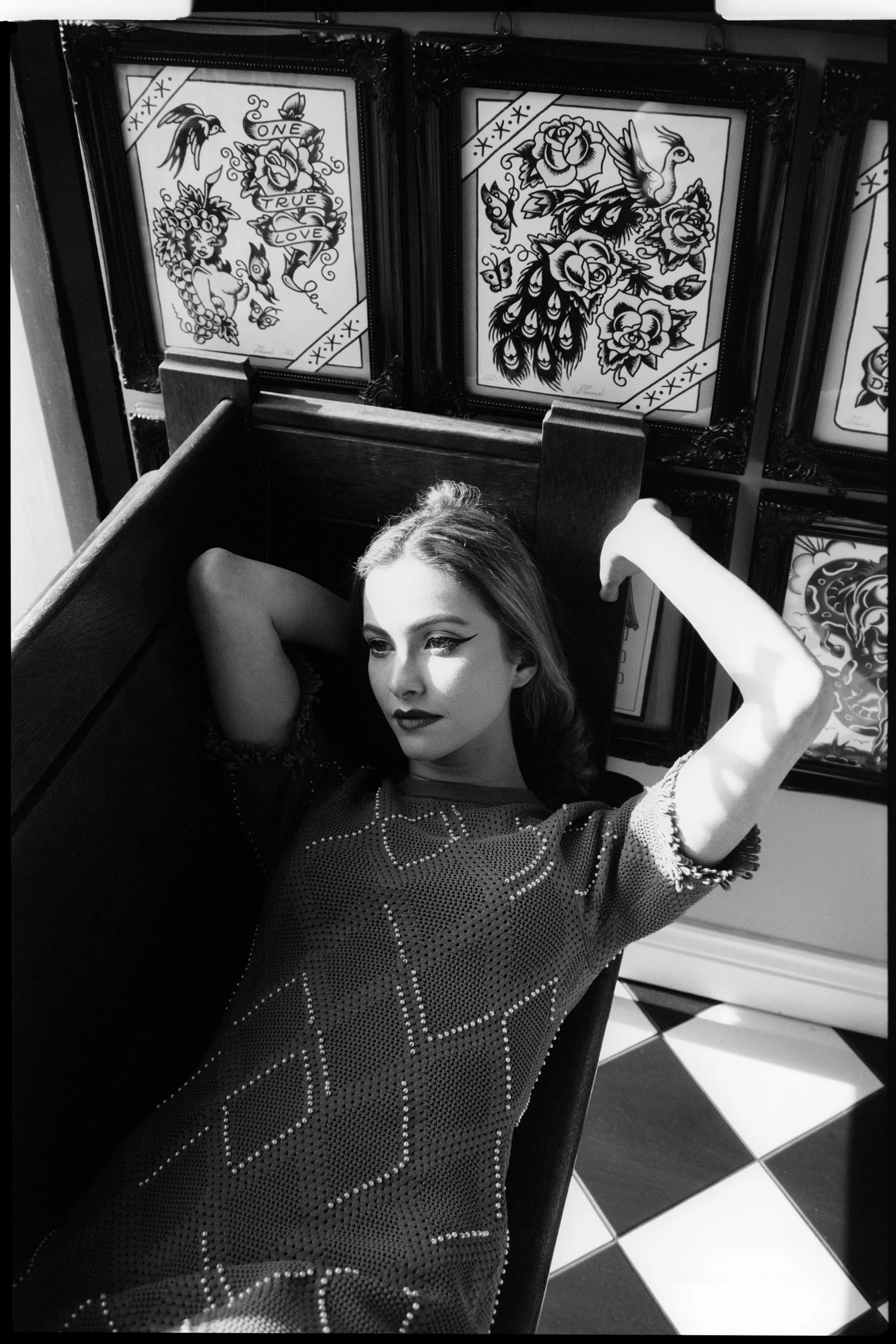

What I can say with certainty is what this film does. It’s more than a handful to shoot, it is a high contrast, high silver content film that renders blacks with real depth and striking highlights. That contrast gives P30 its character but it is also what makes it so unforgiving; it has little tolerance for exposure error and in harsh or unpredictable light it can block up shadows or blow highlights fast. But with careful metering, developing and scanning for me, it looks like nothing else.

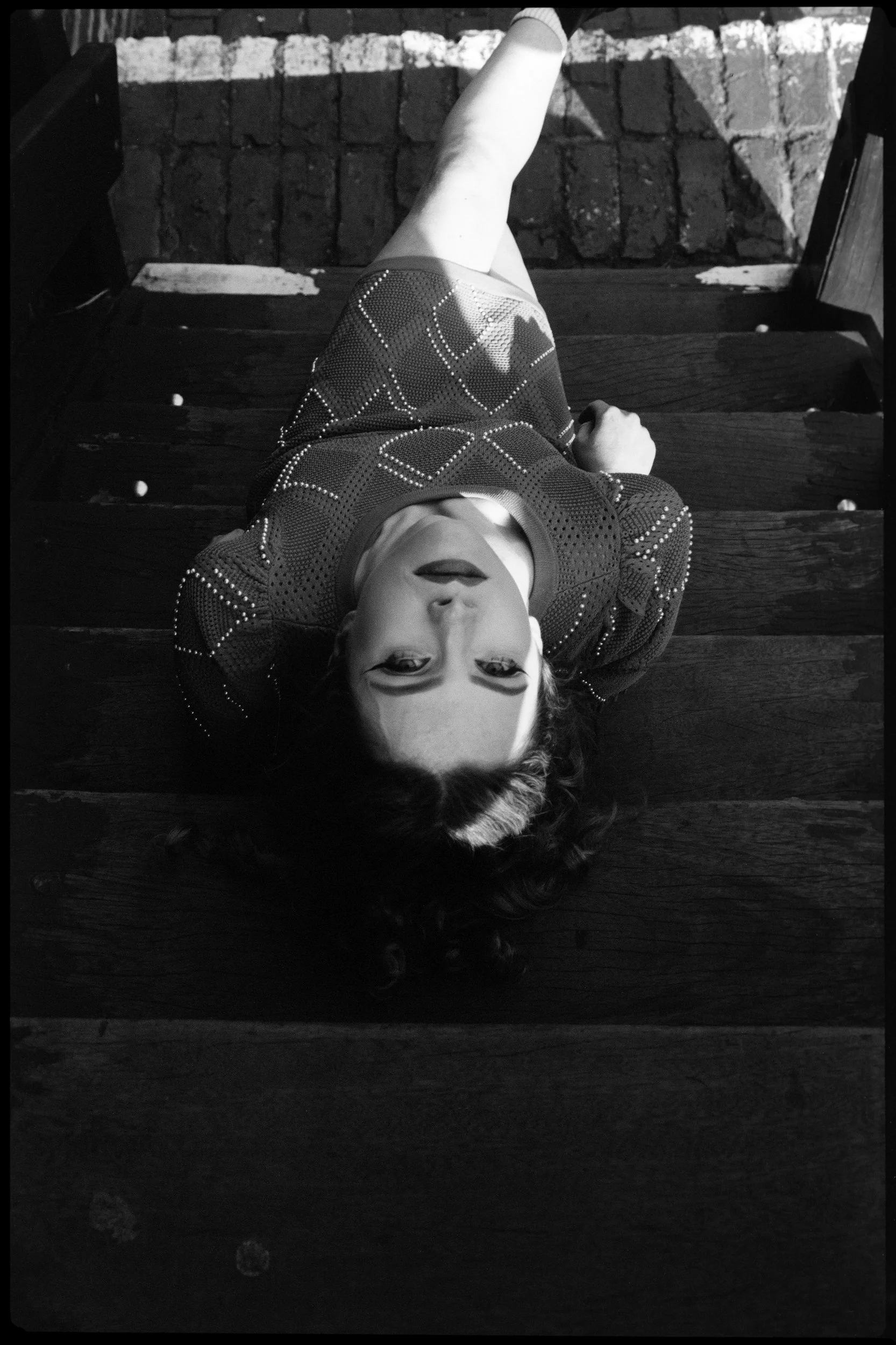
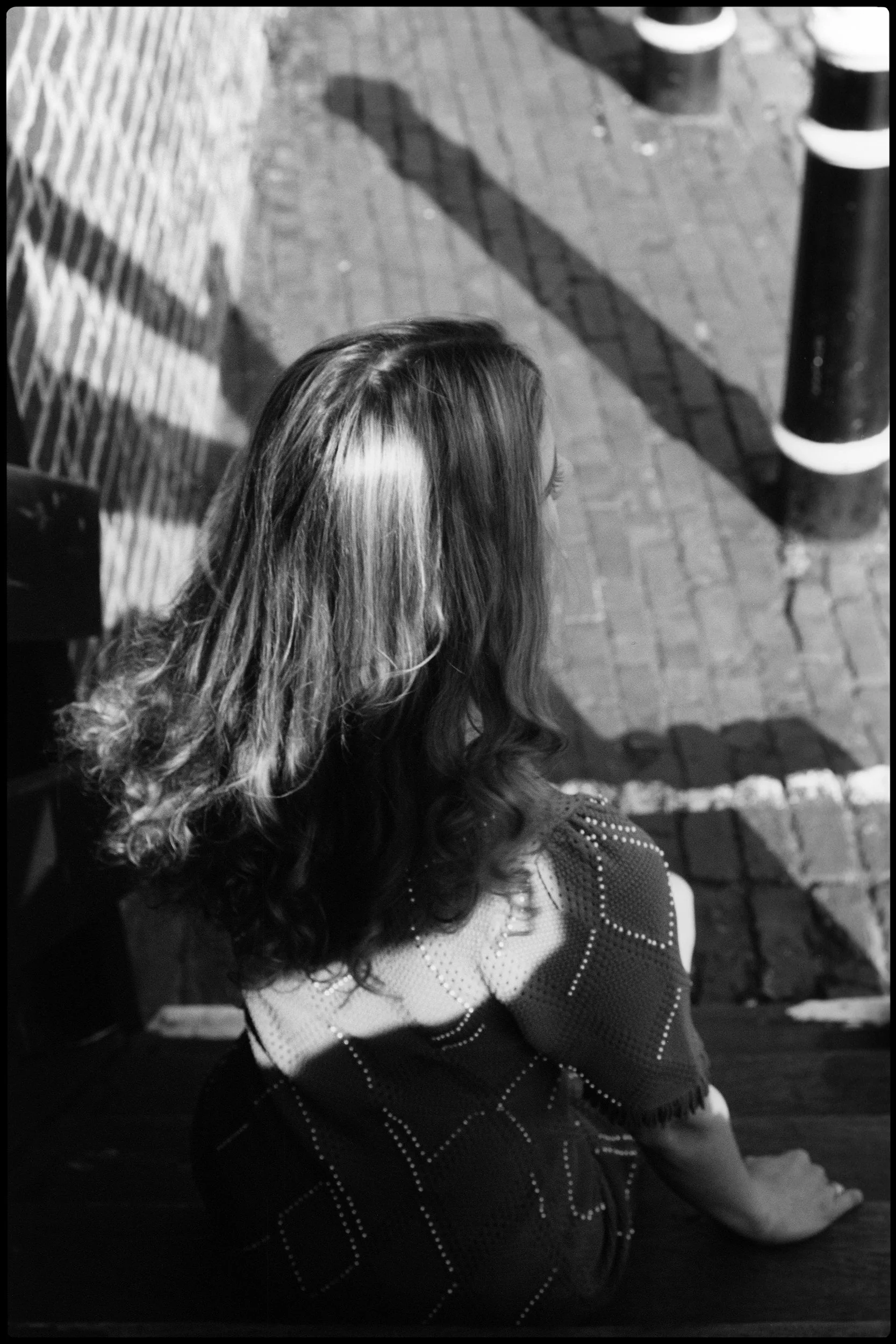
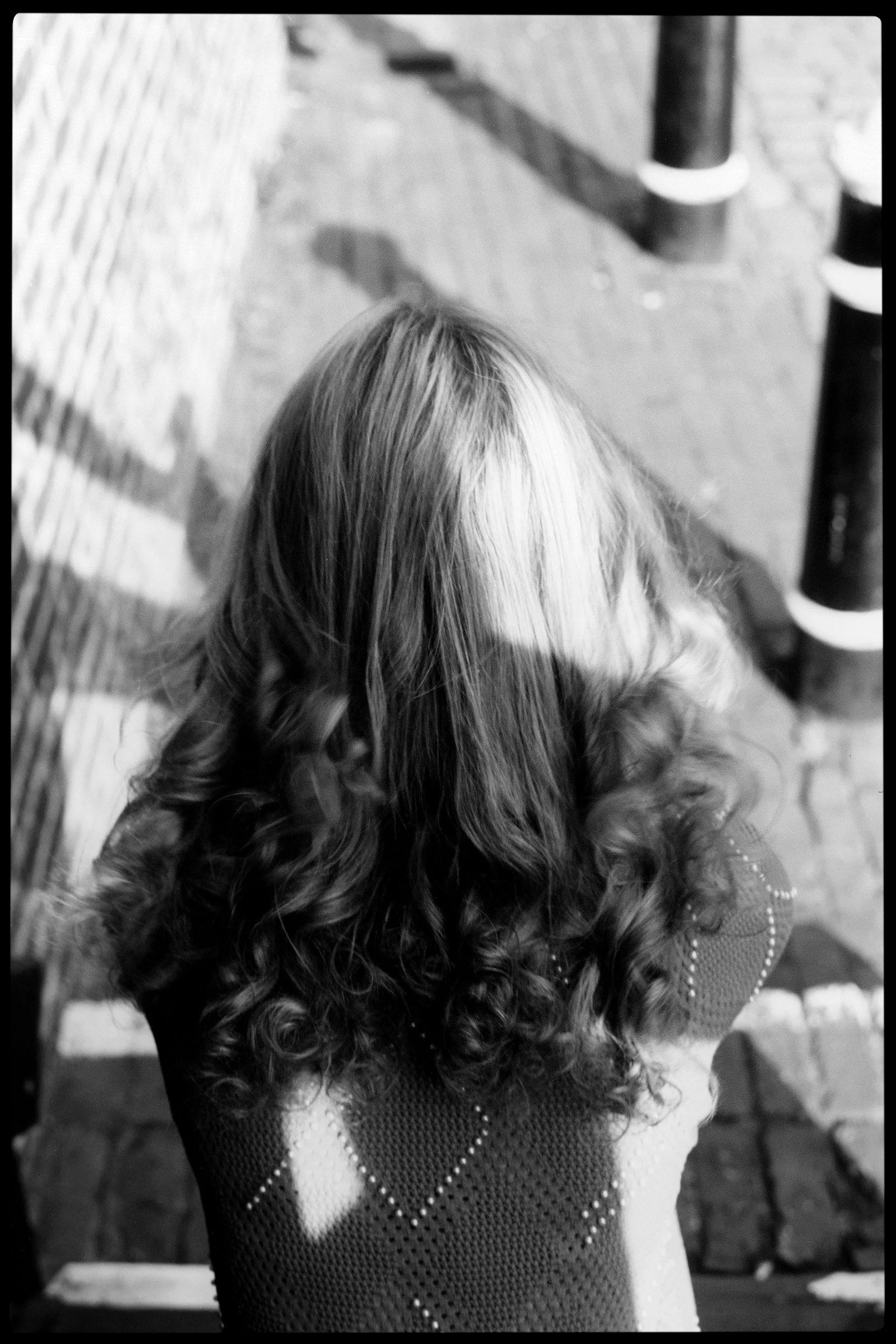
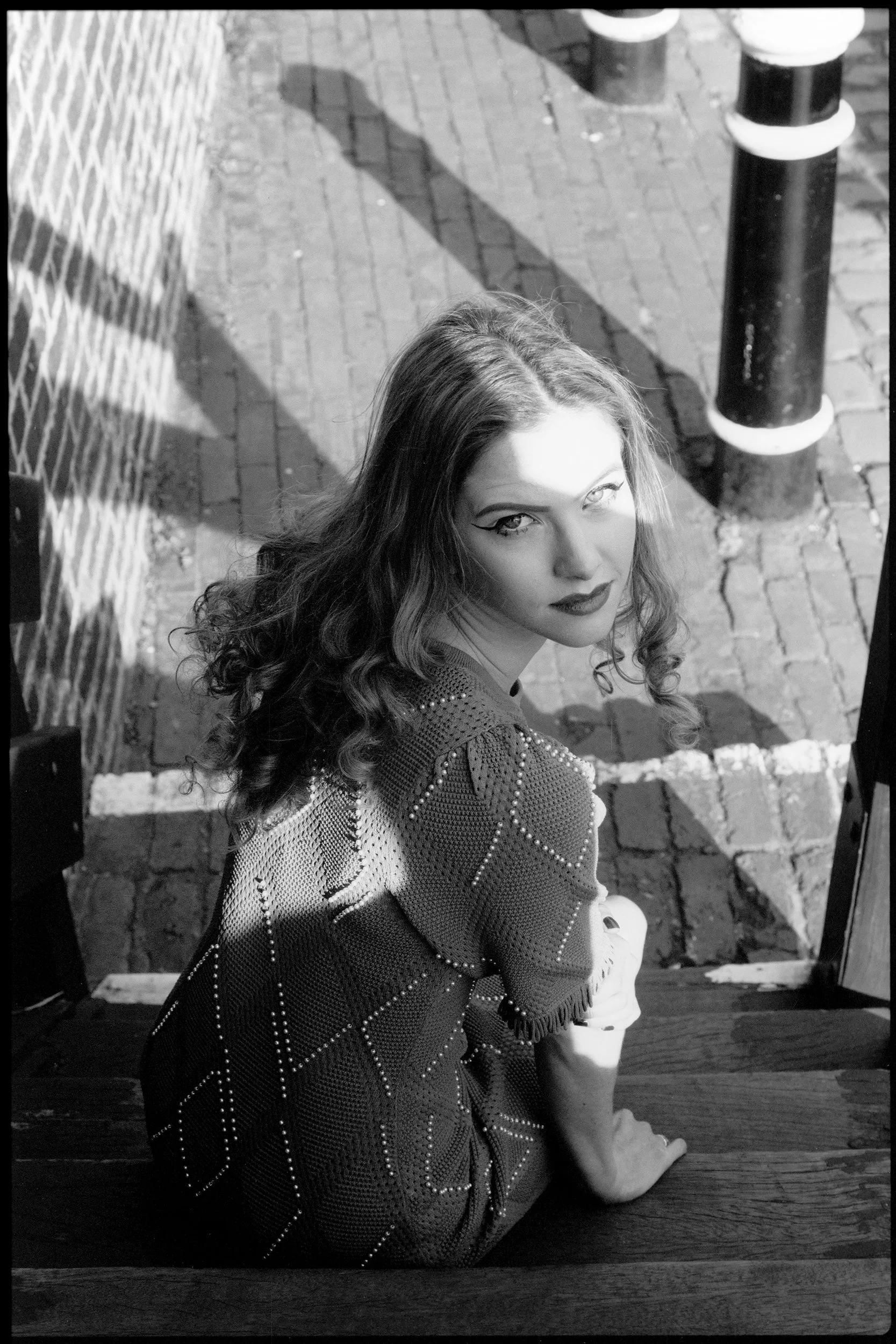
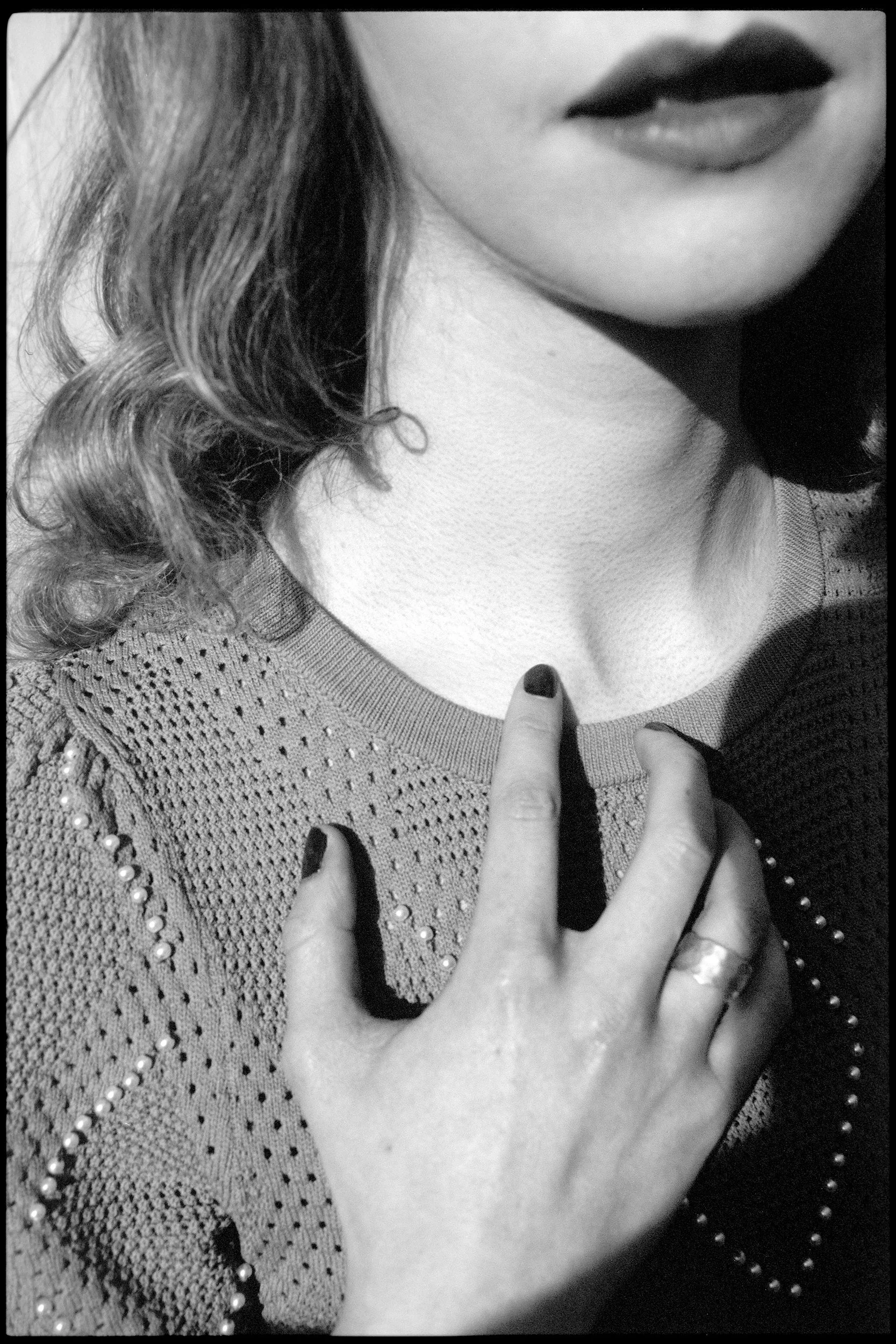
These photographs were made in hard bright light, different from my previous rolls of P30, having mostly been shot in soft or overcast light. They are hard, directional, high-contrast sun-filled frames. You can see it in the deep shadows and the almost blown-out highlights. These characteristics are most evident in the frames of Mia in the tattoo shop. There's real texture and atmosphere in this location. The tattoo flash sheets on the wall behind her are a gift, actually, because they're doing something visually very similar to the film itself: bold, graphic, black and white. Other frames show some more of P30’s subtle greys and mid-tones but always squeezed between its usual deep blacks and almost blinding whites. With this last roll of P30 (for now only, I hope) I tried to do something more demanding and it really responded well.
So, fingers crossed I hope the guys in Cairo Montenotte and the new owners can keep this dream alive.
These photos were shot with Mia Oz with a CONTAX RTS III & Vario Sonnar T* 35-70 ƒ3.4 and developed with
• Kodak TMAX developer (1:4 Dilution) for 7:15 minutes
at 20ºC with Continuous inversions for the first 15 seconds then 5 inversions every 30 seconds thereafter.
• Stop with Kodak Professional Stop for 30 seconds at 20ºC
• Fix with Kodak Professional TMAX Fixer for 5 minutes at room temperature
• Wash for 10 minutes
• Scanned on Nikon CoolScan 8000
Special thanks to One Shot Charlie’s for the memerable venue - www.osc-tattoo.com